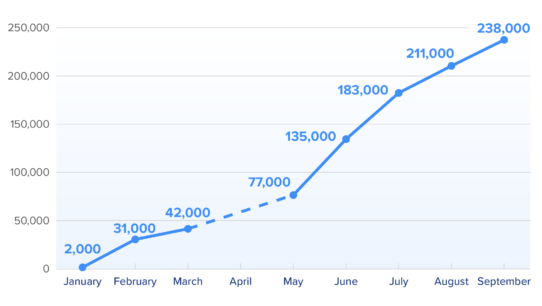

The Legislature should invest in expanding Certified Family Partners across Texas.
Families told us their kids need help. They often don’t know where to find it.
We recently interviewed families about key recommendations from the state’s Children’s Behavioral Health Strategic Plan and their experiences navigating mental health services in Texas. Through these conversations with parents, one challenge repeatedly emerged: Texas has many effective behavioral health services, but families struggle to find them, understand them, and access them before a crisis occurs.
The Strategic Plan reached the same conclusion. It recommended strengthening the continuum of community-based behavioral health services and improving how children and families connect to the right supports at the right time.1
Families often first seek help through schools, pediatricians, hospitals, juvenile justice, or the child welfare system, yet many describe feeling overwhelmed, isolated, and unsure where to turn. Having someone with lived experience to walk alongside a family can mean getting connected to the right support early, before a child’s needs escalate into a crisis. Without that support, families may struggle to navigate a complicated system on their own, leading to delayed care, worsening needs, and greater reliance on emergency departments, law enforcement, hospitalization, or other intensive systems.
Rural Texas families need better access to information and resources.
Karrisha is a Parent Liaison, Certified Peer, and former youth in foster care who received Certified Family Partner services. She told us she sees families struggle simply because they don’t know what exists. She explained that many families don’t know Medicaid covers transportation, don’t know how to apply for services, and may travel hours just to receive care.

“The biggest lack of resources in rural areas is information.”
- Karrisha, from rural Central Texas
Texas already has services that help children and families. Families need help finding and using them.
During our conversations, families described looking for many of the supports cited in the Strategic Plan, including:
- Home and community-based supports, like the Youth Empowerment Services (YES) Waiver
- Access to Medicaid
- Parent and youth peer support, like Certified Family Partners
- Crisis respite and stabilization services
- Local Mental Health Authorities (LMHAs)
- Transition supports for youth leaving foster care or residential treatment
- Community resources that address transportation, housing, food, and other basic needs
These community-based services help children remain safely at home, succeed in school, and avoid unnecessary hospitalization, involvement with the juvenile justice system, or placement in foster care. Yet, many families told us they simply didn’t know these supports existed until years after their child first needed help.
“We didn’t know where to go.
“We weren’t able to get the information that we needed… I wasn’t aware that the Local Mental Health Authority existed. It would have helped to have somebody knowledgeable about what resources were available and help us navigate getting our daughter the correct level of care much earlier.”
- A mother from Central Texas
Certified Family Partners help families find the right door.
Certified Family Partners (CFP) are parents and caregivers with lived experience in navigating children’s behavioral health, working with families who need it most. Through specialized training and their own experiences, they help families understand available services, advocate for their children, build confidence, and help connect them to community resources before challenges escalate.
“I remind them that they are very brave, and that we’re here to walk together on this new journey. There’s a light at the end of the tunnel, and they don’t have to do it alone.”
- Maricela, a Certified Family Partner
The Legislature can improve access to Certified Family Partners.
The Children’s Behavioral Health Strategic Plan recognizes the importance of strengthening family support and recommends funding for HHSC to expand the number of CFPs available to Texas families.3 The Legislature should invest state funding to increase the number of CFPs statewide. This investment would help ensure families can connect to the right supports earlier, before their needs escalate into crisis.1 Texas Health and Human Services Commission. Children’s Behavioral Health Strategic Plan. December, 2024.
2 Texas Health and Human Services Commission. 2026. Certified Family Partner program data. [Unpublished data]
3 Texas Health and Human Services Commission. Children’s Behavioral Health Strategic Plan. December, 2024.