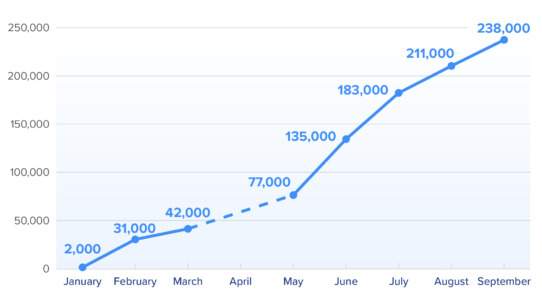

The Prenatal-to-3 Policy Impact Center recently released a new policy brief showing strong national momentum to expand access to community-based doula care — an evidence-based support that improves maternal and infant health outcomes. States across the country are increasingly using two key strategies: reimbursing doula services through public programs and investing in a sustainable doula workforce.
The Center’s policy brief highlights that 26 states now cover doula care through Medicaid. In the last year, several additional states have taken major steps to ensure families can access doula support. Notably, Arkansas, Louisiana, Maine, Montana, Utah, and Vermont passed legislation in 2025 requiring coverage of doula services under Medicaid.
At a time when maternal health outcomes continue to worsen nationwide — with pregnancy‑related death rates rising nearly 30% over recent years — this momentum reflects a growing, bipartisan understanding: community‑based doulas are an essential part of making pregnancy and birth safer and more supported.
Doulas Matter for Healthy Moms and Healthy Babies
Community-based doulas are trained, non-clinical professionals who provide evidence-based support throughout pregnancy, birth, and the postpartum period. Their role includes helping families prepare for delivery, navigate the health system, and communicate effectively with their care team.
Project 2025 says, “doulas should be an active option for all women whether they are giving birth in a traditional hospital, through midwifery, or at home.”
Research shows that when families have access to doula care, they experience:
- Fewer C-sections and costly medical interventions
- Lower rates of preterm birth
- Reduced risk of postpartum hemorrhage or other severe maternal complications
- Increased breastfeeding initiation and duration
- Improved postpartum mental health
- Increased mothers’ positive engagement with their infants
Because these outcomes reduce expensive medical interventions and prevent avoidable complications, doula care can consistently generate cost savings for states and health plans. Covering doula services makes this effective support affordable and helps expand access to families who can benefit most.
Texas Legislators Showed Strong Interest in Doula Coverage in 2025
Last legislative session, legislators demonstrated clear bipartisan interest in expanding maternal health support.
HB 1201 by Reps. Manuel, Hull, Walle, Swanson, and Simmons passed the House. It did not pass the Senate. The bill would have created a Medicaid pilot program to cover doula care.
Additionally, Rep. Shofner filed HB 5583 and Rep. Walle filed HB 2573 to add doula services as a Medicaid-covered benefit.
Texas now has an opportunity to build on this momentum in the next legislative session.
Texas Can Improve Access to Doulas in the 2027 Legislative Session
With new data showing how quickly other states are adopting Medicaid doula coverage, Texas has a renewed opportunity to strengthen support for pregnant and postpartum families. Including access to community-based doulas in Medicaid is a proven, family-centered policy that can help improve outcomes for moms and babies across the state.
We’re excited to continue working with Texas lawmakers, community partners, and doula leaders in the upcoming legislative session to advance this important issue. The momentum is growing — Texas should be part of it.
Texans Care for Children gratefully acknowledges Methodist Healthcare Ministries of South Texas, Inc., for their financial support of this publication. The opinions expressed in this document are those of Texans Care for Children and do not necessarily reflect the views of Methodist Healthcare Ministries.